Our project
Seeding the future we want
Buy a plot in our next project
Create your own new woodland
Become a custodian/volunteer
Donate
About the land
Following many months of searching during which we visited more than 20 sites, we made a sealed bid for, and won, a very special plot of land in Somerset.
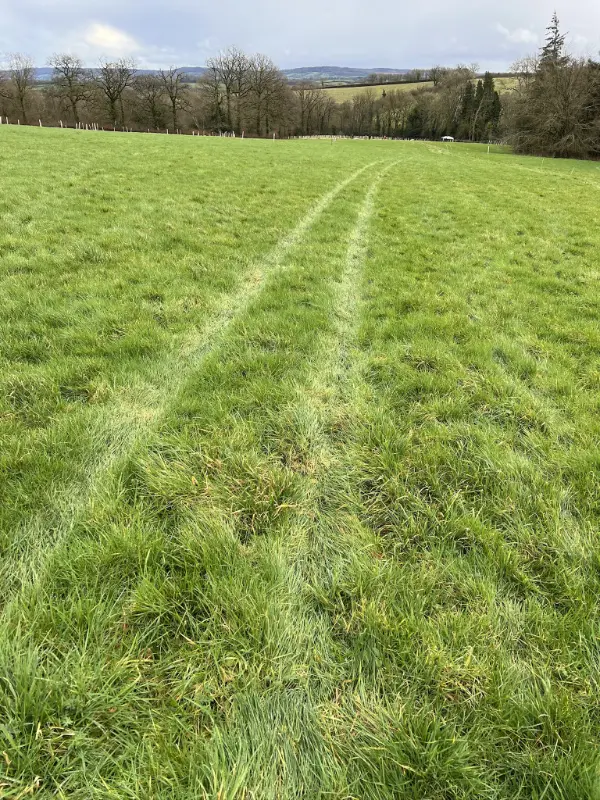
Gently sloping and facing south, this 3.5-hectare field is wrapped on two sides by a further hectare of existing woodland. At the top of the plot there are lovely views out across rolling countryside with the Wellington Monument visible in the distance. At the bottom a brook weaves through the wood. We didn’t want to remove arable land from food production, so this low-grade pastureland fitted the bill perfectly.
The stream running down the side and along the bottom we learnt is called Stockingford Water, which creates a valuable area of wet woodland that has been designated a Local Wildlife Site. And the existing trees are actually a small remnant of ancient woodland, likely to have extended right across the field in the past.
Ancient woodland is defined as land that has been wooded continuously since at least 1600 AD. These undisturbed soils are likely to have been little affected by fertilisers, herbicides or pesticides and are a haven for specialist woodland plant species. They probably also contain valuable historic seed banks. Over time a build-up of decaying wood creates a unique habitat for fungi and invertebrates.
The rich biodiversity this existing woodland hosts has the potential to reach out into the proposed new woodland and offers a huge boost to the environmental aims of the project. It has become more than just the creation of new woodland but the restoration of an ancient wood.
CLICK TO ENLARGE
Our plans for the site
We spent a year researching and developing proposals to create a new woodland that will complement and restore the ancient wood. We talked to foresters, environmentalists and the local community to get a range of ideas and perspectives. And we have observed the field and the wood in all four seasons over the course of a year to discover what is there and to get to know the land.
Our plan incorporates some of the latest thinking on woodland creation while also responding to the unique characteristics of the land. We will plant largely native broadleaf shrubs and trees at high density to encourage growth.
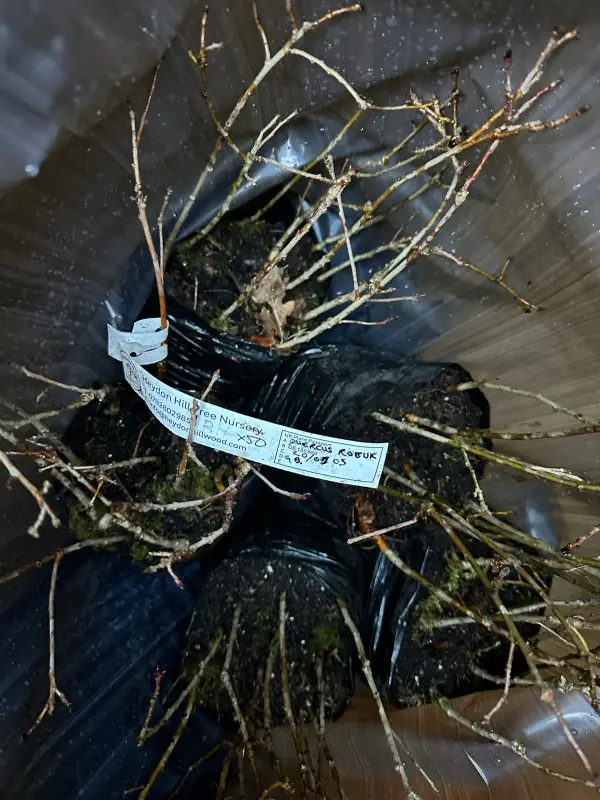
The mix will include: oak, hornbeam, rowan, silver birch, field maple, sweet chestnut, hawthorn, blackthorn, hazel and dog rose. We are sourcing from neighbourhood nurseries so that the young whips are well adapted to the local environment. In parts of the field where there are still signs of ancient woodland species, we will encourage natural regeneration: self-seeded oaks and hazel from the existing wood will help reclaim the land.
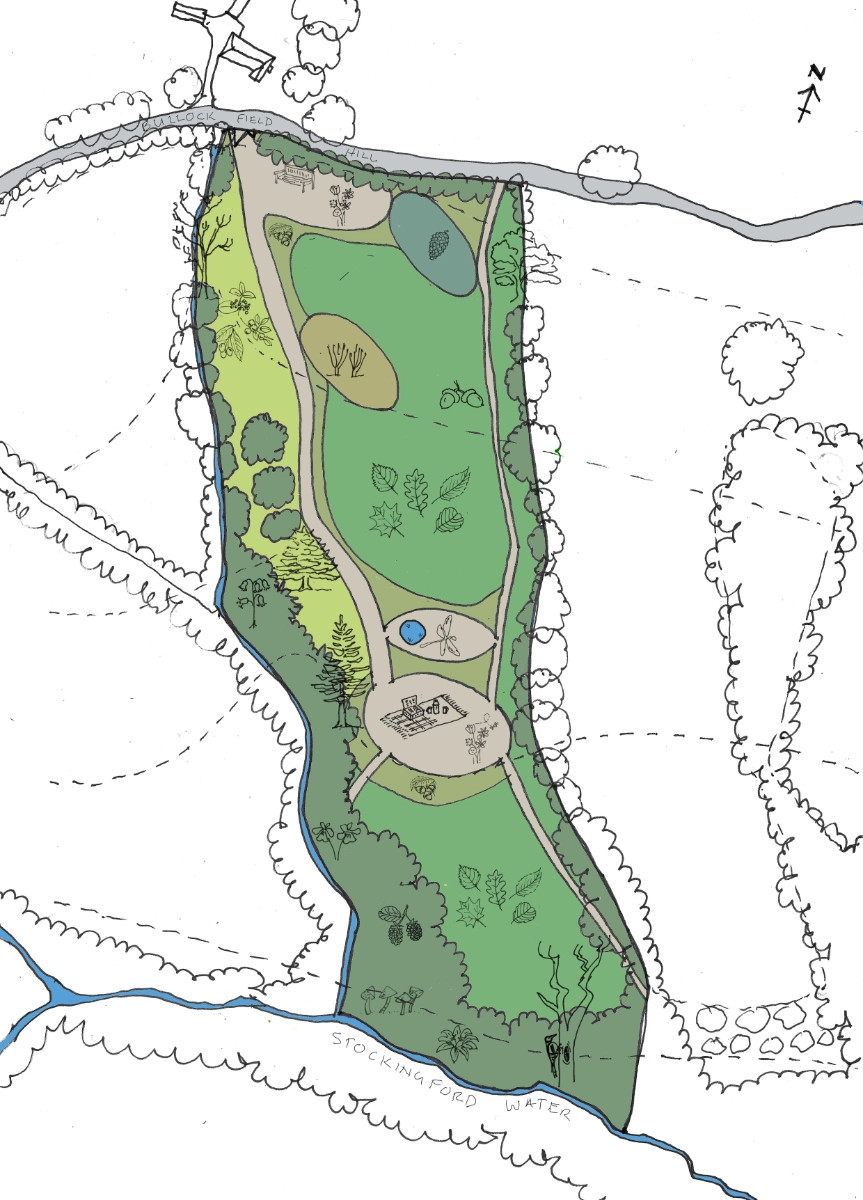
The planned layout of the woodland consists of glades bordered with shrubs and coppice, which together with open wooded areas and groves of high woodland will create a mosaic of different habitats. This complexity, along with native species, will encourage a wide range of flora and fauna to establish.
A new species-rich pond completes the plan.
How we’re financing the project
We have financed the land purchase and research and design costs with our own capital invested into the Community Interest Company we established.
To fund the tree planting and the ongoing protection, care and maintenance of the woodland we are raising money in two ways. Firstly by applying for a grant from the Forestry Commission and secondly by inviting people to sponsor trees.
We anticipate that these two sources, along with ongoing support from volunteers, will cover the first 10 to 15 years of the woodland creation project costs. Thereafter the maintenance annual costs should diminish and it will be possible to start generating a little income from the coppice areas of the woodland, and we hope to continue to receive the support of volunteers.
It is also possible to sell carbon credits under a government scheme and in the near future it will be possible to sell Biodiversity Net Gain credits. We think it would be imprudent to sell credits for carbon fixing that has not happened yet, and in any event, we believe that our current funding plans will be sufficient for the project. However our primary objective is to ensure that the woodland is sustainable in the long term and so if it were necessary in achieving this we would look further into these schemes.
We also plan to incorporate a small percentage of productive conifers into the scheme. The aim being that in the long run these can be harvested for construction timber to produce a small income to ensure the long-term stewardship of the woodland. There is an old woodlanders’ adage: “The wood that pays is the wood that stays”.